
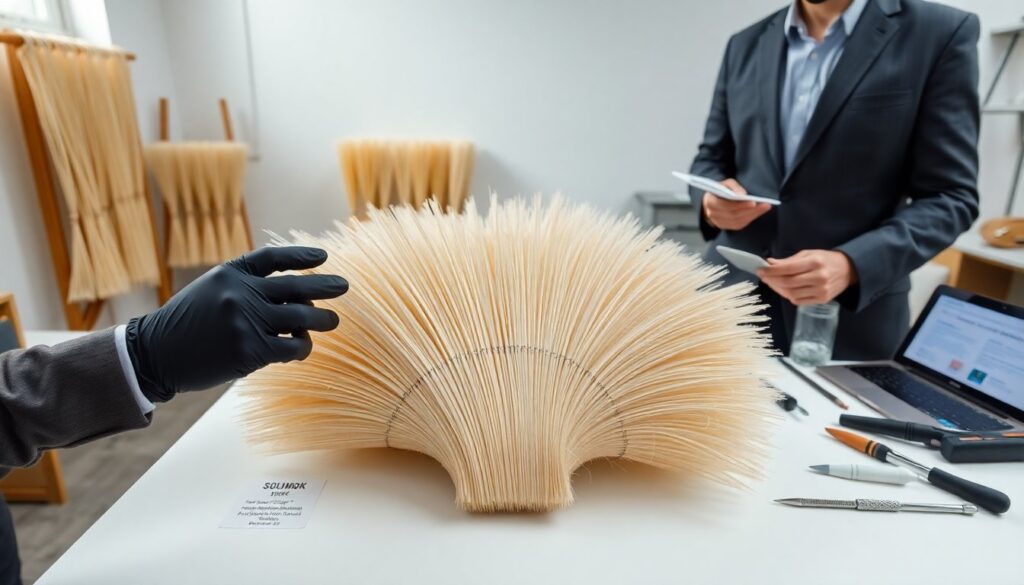
Solimok kelpen appears in folk records and recent studies. The guide names solimok kelpen early and sets clear expectations. It states origin, uses, care, and meaning. The guide aims to help readers identify solimok kelpen, use it safely, and respect local customs.
Key Takeaways
- Solimok kelpen is a fibrous material valued for crafts and healing due to its flexibility and mild earthy scent.
- It is used in weaving, padding, light binding, and gentle therapeutic wraps that may ease bruises and sprains.
- Cultivation requires loose, sandy soil and careful harvesting to maintain fiber quality and support ethical supply chains.
- Buyers should correctly identify solimok kelpen to avoid confusion with synthetic or invasive fibers and prefer certified community harvests to prevent ecological harm.
- Proper storage in dry, breathable conditions preserves fiber pliability, and users must test for allergies before medical applications.
What Is Solimok Kelpen? Origins And Key Characteristics
Solimok kelpen refers to a small, fibrous plant-like material used in crafts and healing in several regions. Researchers first noted solimok kelpen in 19th-century trade logs. The material shows a pale tan color and a springy texture. Local people harvest strips that measure two to six inches. Modern analysis shows cellulose fibers and minor mineral traces. The fibers bend without breaking and return to form after light compression. The scent stays mild and earthy when fresh. Scholars link the name solimok kelpen to a local dialect term that described flexible fiber. When people handle solimok kelpen, they notice a faint resistance and a soft snap when pulled.
Practical Uses And Applications In Modern Contexts
People adapt solimok kelpen for daily use across craft, health, and utility tasks. The material suits simple weaving, padding, and light binding. Designers value solimok kelpen for its low weight and gentle texture. Urban makers combine solimok kelpen with modern adhesives for mixed-media items. Communities keep traditional methods while new users apply machine cutting for consistency. The next two subsections list specific uses.
Medicinal And Therapeutic Uses
Healers use solimok kelpen in poultices and gentle wraps. They moisten the fiber and place it on bruises to reduce swelling. Some therapists use solimok kelpen as a low-pressure support for sprains. Practitioners report mild relief and faster comfort when they change dressings daily. Clinical tests remain limited. Researchers caution readers to test for allergic reaction before wide use. People should not replace prescribed medical care with solimok kelpen treatments. When health workers combine solimok kelpen with sterile technique, the material can aid comfort during recovery.
How To Cultivate, Grow, Or Source Solimok Kelpen
Growers plant solimok kelpen seeds in loose, sandy soil where drainage stays high. They place seeds in full sun and water lightly until shoots appear. Farmers thin seedlings to leave six inches between plants. Harvesters cut mature stalks at the base and strip outer fibers. They dry fibers in shade to avoid stiffening. Sellers grade bundles by fiber length and texture. People can also source solimok kelpen from certified local harvesters to support ethical supply. When buyers order online, they should request photos and a clear return policy.
Risks, Misidentification, And Ethical Considerations
Solimok kelpen resembles several common fibers and can suffer misidentification. Buyers sometimes mistake it for invasive reed or treated synthetic fiber. They should test a small sample by wetting and rubbing to check for pilling and odor. Solimok kelpen burns with a slow, fibrous ember and smells like paper when lit. Risk also appears in overharvest. Overharvest reduces local habitat and harms small wildlife. Buyers should favor certified or community-harvested solimok kelpen. Traders should pay harvesters fair prices. People should avoid chemical dyes that leave toxic runoff. When researchers study solimok kelpen, they should share benefits with source communities.
Quick Practical Tips And Troubleshooting
Store solimok kelpen in a dry, breathable bag to avoid mold. If fibers stiffen, soak them briefly in warm water and squeeze gently to restore pliability. If dye runs, rinse in cold water and repeat until clear. If a craft piece shrinks, stretch the fiber while damp and pin it flat to dry. If users find small insects in a bundle, freeze the bundle for 48 hours to kill pests. For medical use, always test a patch on healthy skin for 24 hours. If irritation occurs, stop use and seek care. For sourcing, ask for a sample before large orders and request harvesting dates.