
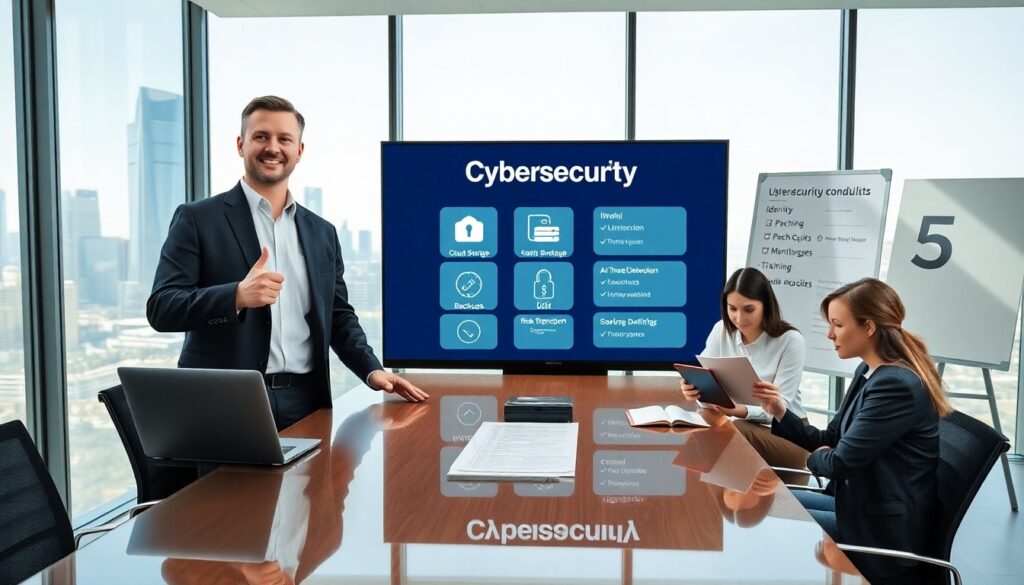
cybersecurity by solimok kelpen explains core risks and clear steps for 2026. Solimok Kelpen writes with practical focus. The piece defines threats, principles, and actions. Readers learn steps they can apply now. The text stays direct and plain. The reader gains usable guidance for home and work systems.
Key Takeaways
- Cybersecurity by Solimok Kelpen highlights that in 2026 cyber threats target individuals and businesses, emphasizing prevention as more cost-effective than recovery.
- Key risks include ransomware, phishing, supply chain attacks, AI-enabled scams, and IoT vulnerabilities, requiring constant vigilance and updated defenses.
- Kelpen’s five core principles stress securing identity, regular patching, offline backups, monitoring alerts, and training people to reduce common risks.
- Effective cybersecurity depends on balancing people, processes, and technology with clear rules, automated tools, and ongoing training.
- Practical steps include enabling multi-factor authentication, using password managers, segmenting networks, backing up data regularly, and vetting vendors.
- Building a budget-friendly cybersecurity program involves asset prioritization, free tools, staff training, automation, and steady progress over perfection.
Why Cybersecurity Matters For Individuals And Businesses In 2026
In 2026, cyber threats target individuals and businesses. Solimok Kelpen notes that attackers aim at data, money, and trust. Small teams lose access and large firms lose reputation. Remote work increases exposure. Cloud services hold more data and face more attacks. Users underestimate simple risks like reused passwords and missing updates. Solimok Kelpen urges action now. He states that prevention costs less than recovery.
The Modern Threat Landscape: What To Watch For
Solimok Kelpen lists the top threats for 2026. Ransomware remains common and costly. Phishing adapts and looks more convincing. Supply chain attacks hit software and services. AI-enabled scams craft realistic messages and deepfakes. IoT devices expose new entry points. Attackers exploit weak identity controls and misconfigured cloud storage. Solimok Kelpen recommends focusing on identity, backups, and vendor risk. He warns that threats change fast and require constant attention.
Solimok Kelpen’s Five Core Principles For Effective Cybersecurity
Solimok Kelpen frames five core principles for practical security. First, secure identity and access. Second, keep systems and software patched. Third, back up critical data offline and test restores. Fourth, monitor logs and alerts to detect issues. Fifth, train people to spot scams and errors. Each principle connects to daily tasks. He stresses that small steps reduce most common risks. Teams should assign owners and measure progress.
People, Process, And Technology: Foundational Principles Explained
People follow process and use technology. Solimok Kelpen shows how these three parts work together. Leaders set clear rules. Teams apply step-by-step procedures for access, patching, and backups. Technology enforces rules through tools like multi-factor authentication and endpoint controls. Training helps people act correctly. Reporting helps leaders find weak spots. Solimok Kelpen recommends simple checklists and regular reviews. He says that balance among the three keeps defenses steady.
Practical Steps To Harden Your Environment Today
Solimok Kelpen lists clear actions readers can take now. Enable multi-factor authentication on all accounts. Use a password manager and avoid reuse. Apply security updates within days. Segment networks to limit access. Back up data offline and test restores weekly or monthly. Limit admin rights to those who need them. Monitor accounts for unusual logins. Vet third-party vendors and enforce security requirements. He advises starting with the highest-risk assets and working down the list.
Building A Sustainable Cybersecurity Program On A Budget
Solimok Kelpen outlines low-cost steps to build a program. Start with an inventory of assets and owners. Prioritize based on value and exposure. Use free or low-cost tools for patching, endpoint protection, and backup. Train staff with short, recurring sessions and simulated phishing. Automate tasks like patch checks and account reviews. Track simple metrics and report them to leaders. Seek shared services or managed providers for gaps that cost too much to fill in-house. He stresses steady progress over perfect coverage.